Samsung Plans to Bring AI Features to Every Smartphone by 2026
Samsung is betting big on artificial intelligence—and not just for its premium devices. By 2026, the company plans to integrate AI features across its entire smartphone portfolio, from high-end foldables to entry-level models, dramatically expanding access to mobile AI.
The goal is scale. Samsung expects to more than double the number of AI-enabled Galaxy smartphones in use, surpassing 800 million devices worldwide by the end of 2026.
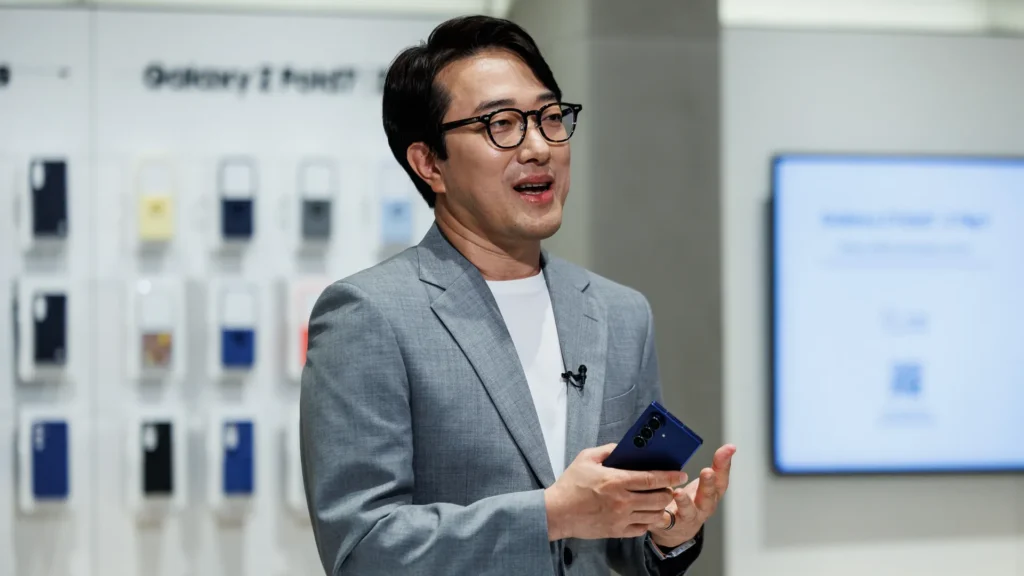
“We really want to increase accessibility of AI for all people,” said Won-Joon Choi, president and COO of Samsung’s mobile device business.
ADVERTISEMENT
Why it matters
As the world’s largest Android phone maker, Samsung sees AI as a key battleground—both against Apple’s iPhone and within the increasingly crowded Android ecosystem. While Apple remains its primary rival, Samsung must also distinguish itself from other Android manufacturers, including Google’s Pixel lineup.
That challenge is complicated by Samsung’s reliance on Google, which controls Android and many of the platform’s most-used apps such as Gmail, Chrome, and YouTube. Over the years, Samsung has tried to layer its own software and services on top of Google’s, often with limited success.
This time, the company believes AI may be different.
ADVERTISEMENT
AI that people actually use
According to Choi, many past Samsung software features saw a familiar pattern: strong interest at launch followed by a steep drop-off in usage. Galaxy AI, however, appears to be breaking that trend.
“With Galaxy AI, usage is staying high,” Choi said.
Among the most popular in-house tools are AI-powered photo editing features and “Now Brief,” a personalized summary that highlights upcoming events, weather, news, and other relevant information.
Hardware shaped by AI
AI is also influencing Samsung’s hardware strategy. Choi said the shift is driving greater emphasis on neural processing units and high-bandwidth memory—components critical for running AI models efficiently on-device.
Despite the rise of voice-based AI interactions, Samsung doesn’t believe screens are becoming less important. In fact, the company sees large displays playing an even bigger role in an AI-driven future.
“You will get answers through voice, but at the same time, people will need displays and screens to get visual output,” Choi said. “In the era of AI, I think foldables and large screens will actually have a bigger role to play.”
That belief underpins Samsung’s continued investment in foldables, including its recently unveiled Galaxy Z Trifold, which unfolds into a 10-inch tablet. The device has debuted in South Korea and is expected to launch in the U.S. later this year.
ADVERTISEMENT
What’s next
Looking beyond phones, Samsung is also preparing to enter the AI wearables space. Choi confirmed that the company, in partnership with Google, is developing AI-powered glasses and expects to reveal them within the year.
“Glasses are one of the most natural ways for us to interact with AI using our voice and vision,” he said. “They’re always on, they understand what you’re saying, and they see what you see.”
If Samsung succeeds, AI won’t just be a premium feature—it will be a standard part of nearly every Galaxy device in your pocket.