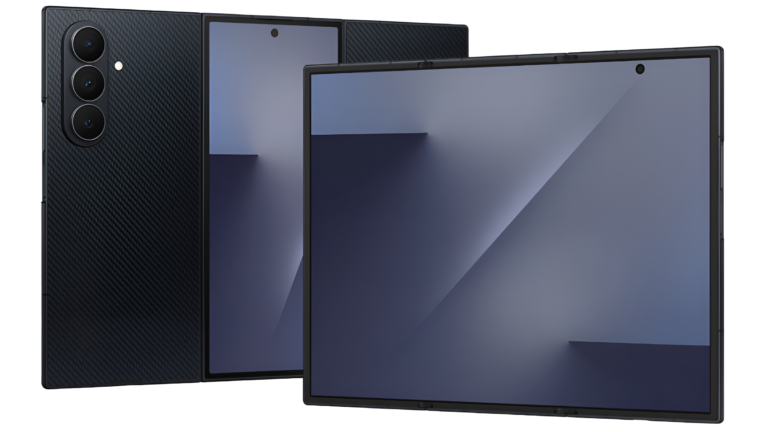
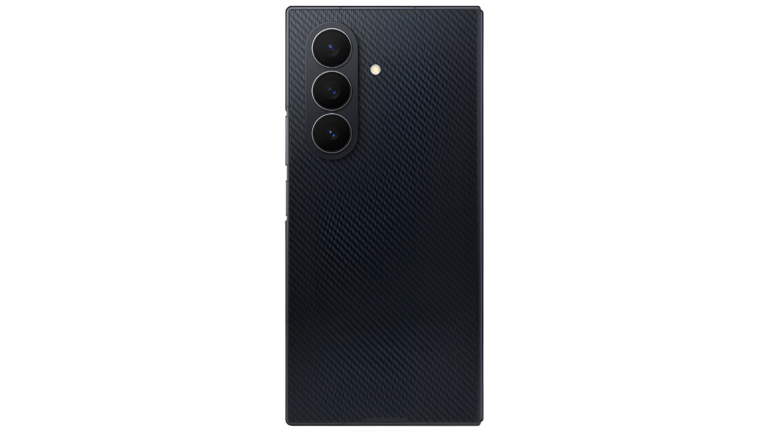
Very high cost: Samsung Galaxy Z TriFold as a novel premium foldable, its price is expected to be extremely high — making it impractical for many users.
Samsung Galaxy Z TriFold’s size, weight and portability trade-offs: While thin when unfolded, it is heavier and thicker when folded compared to standard phones, which may affect usability.
Samsung Galaxy Z TriFold’s durability uncertainties: The dual-hinge / tri-fold design introduces more mechanical complexity, increasing risk of hinge or screen issues over time.
Software and app-optimization lag: Some apps may not yet be fully optimized for the unique screen formats or tri-fold usage scenarios.
Samsung Galaxy Z TriFold’s Battery drain and real-world compromises: The large displays, heavy usage, and first-generation form factor may lead to faster battery drain or less ideal battery life than expected.